


PROCESS

From Waste to Safe Disposal — A Structured Process
Biomedical waste management is a continuous and highly regulated process that demands precision at every stage. At Sidni Earth Protectors, we follow a scientifically designed workflow that ensures safe handling, efficient treatment, and environmentally responsible disposal — without compromise.
A Seamless Chain of Responsibility


Segregation at Source
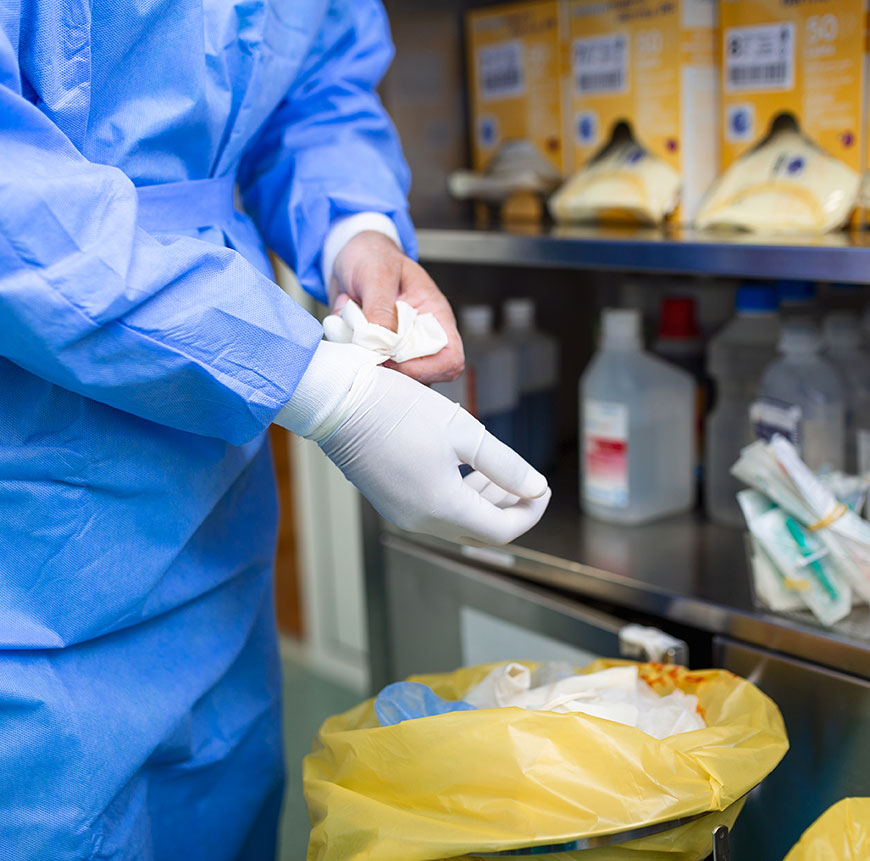
The process begins at the healthcare facility, where waste is carefully segregated using a standardized color-coded system as per BMW Rules 2016. Waste is categorized into yellow for anatomical and soiled waste, red for contaminated plastics, white for sharps and needles, and blue for glass and implants. This critical first step prevents cross-contamination and ensures safe handling throughout the lifecycle.
Collection & Secure Transportation
Once segregated, waste is collected through our dedicated fleet of GPS-enabled vehicles. Each collection is logged and monitored using barcode-based tracking systems, ensuring full traceability. Predefined routes and strict hygiene protocols ensure timely, secure, and contamination-free transportation to our facility.
Controlled Facility Entry & Handling
Upon arrival at our facility, every vehicle undergoes a controlled entry process. Waste is carefully transferred to designated storage zones based on category, ensuring segregation is maintained. Vehicles are then thoroughly cleaned in dedicated washing areas to maintain strict hygiene standards and prevent contamination.
Scientific Waste Treatment
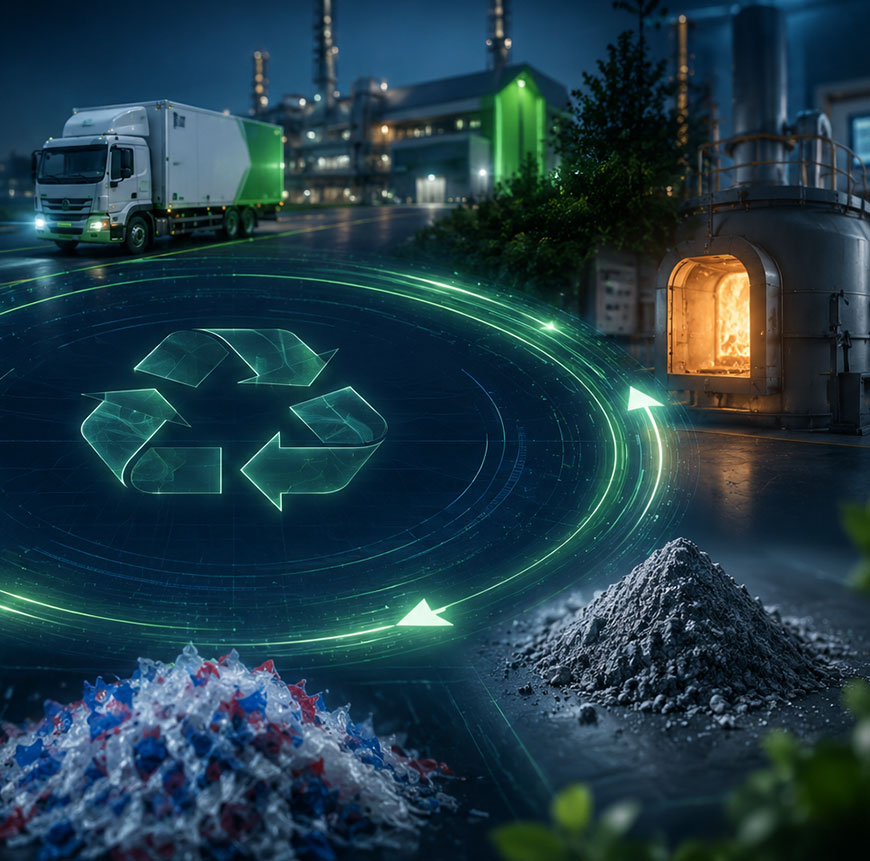
At the core of our process lies advanced treatment technology. Yellow category waste is treated through high-temperature incineration, ensuring complete destruction of hazardous materials. Red and white waste undergo steam sterilization through autoclaving, followed by shredding for safe handling. Blue waste is chemically disinfected before further processing. Each method is precisely applied to neutralize risk while adhering to environmental norms.
Disposal & Recycling
After treatment, waste is directed towards its final destination. Incineration ash is safely disposed of at authorized treatment, storage, and disposal facilities, while sterilized plastics and materials are sent to approved recyclers. Glass waste is processed for reuse through regulated channels. This ensures a complete and responsible closure of the waste lifecycle.
Monitoring & Compliance
Every step of the process is monitored through advanced systems to ensure compliance and transparency. Waste is tracked using QR codes, while 24/7 CCTV surveillance ensures operational visibility. Continuous emission monitoring systems verify that all outputs remain within CPCB and GPCB limits. This ensures complete accountability and regulatory adherence.
Frequently Asked Questions
Segregation ensures that different types of biomedical waste are treated using the correct method, preventing contamination and ensuring safety.
We use barcode and QR-based systems along with GPS tracking to monitor waste from collection to final disposal.
Depending on the category, waste is either safely disposed of at authorized facilities or sent to approved recyclers.
All vehicles follow strict hygiene protocols and are thoroughly washed after every collection cycle.
Yes. All treatment processes comply with CPCB and GPCB norms and include emission control and monitoring systems.
Yes. Our digital tracking systems allow complete visibility and traceability of waste handling.

Sidni Earth Protectors delivers responsible biomedical waste management solutions ensuring healthcare progress never harms the planet.
